About Civic Share
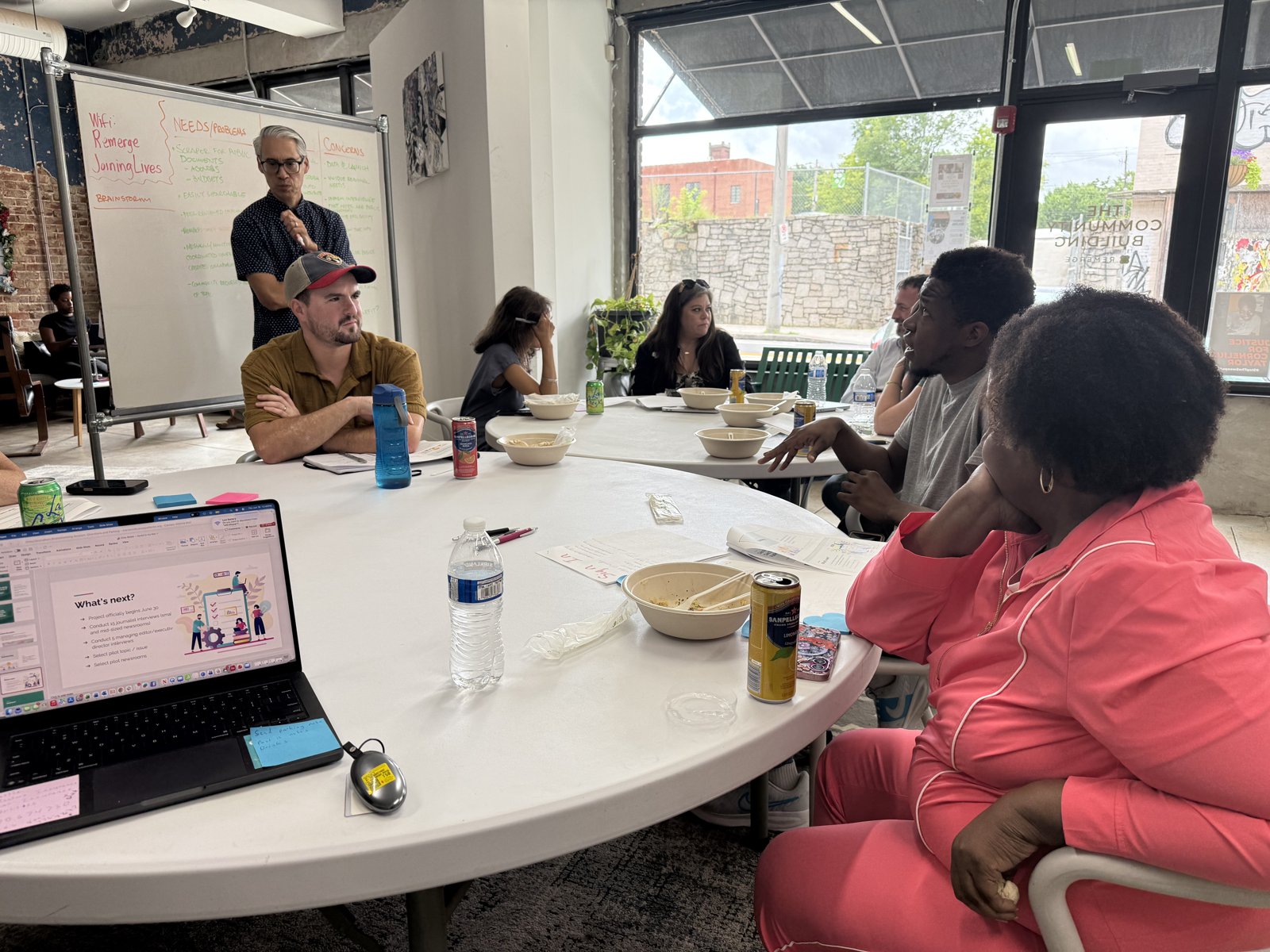
At its core, Civic Share is built on the belief of collaboration over competition. That we produce better, more trustworthy information when we work together than when we work in isolation. That communities are stronger when the people documenting and advocating for them have access to a shared, reliable base of knowledge rather than fragments scattered across a dozen inboxes.
A shared infrastructure for civic work
When I began working on this project, I initially thought of it as a journalism tool—a way for reporters covering the same beat to stop duplicating each other's research and quickly find what had already been reported on about a specific topic. But as I talked to journalists, nonprofit leaders, and even people who had worked on similar projects, I shifted to a broader focus. This is a civic collaboration tool; a shared infrastructure for anyone doing the work of documenting and understanding an issue in their community. Certainly journalists, yes, but also nonprofit staff, community organizers, and activists.
We currently envision that anyone wanting to use this tool, either to contribute documents or access information, would become a member. Membership is free, but it isn't anonymous or unstructured. New members are onboarded through a collaboration agreement that sets the terms of how information in the system can be used, shared, and credited. We also envision that some information will be available publicly to community members, but more sensitive information such as some research and expert sources would be visible only to members.
Everything in the system is tagged and made searchable using AI, but approved by an editor. The files will have a name, date, and a short summary. Content will be verified before it's added, with links back to its original source.
The goal isn't just a better research tool. It's a more connected civic ecosystem, one where journalists, community leaders, and nonprofit organizers are working toward the same end: communities that are better informed and better equipped to hold power accountable and build communities that are stronger and more equitable.
Who is working on the project
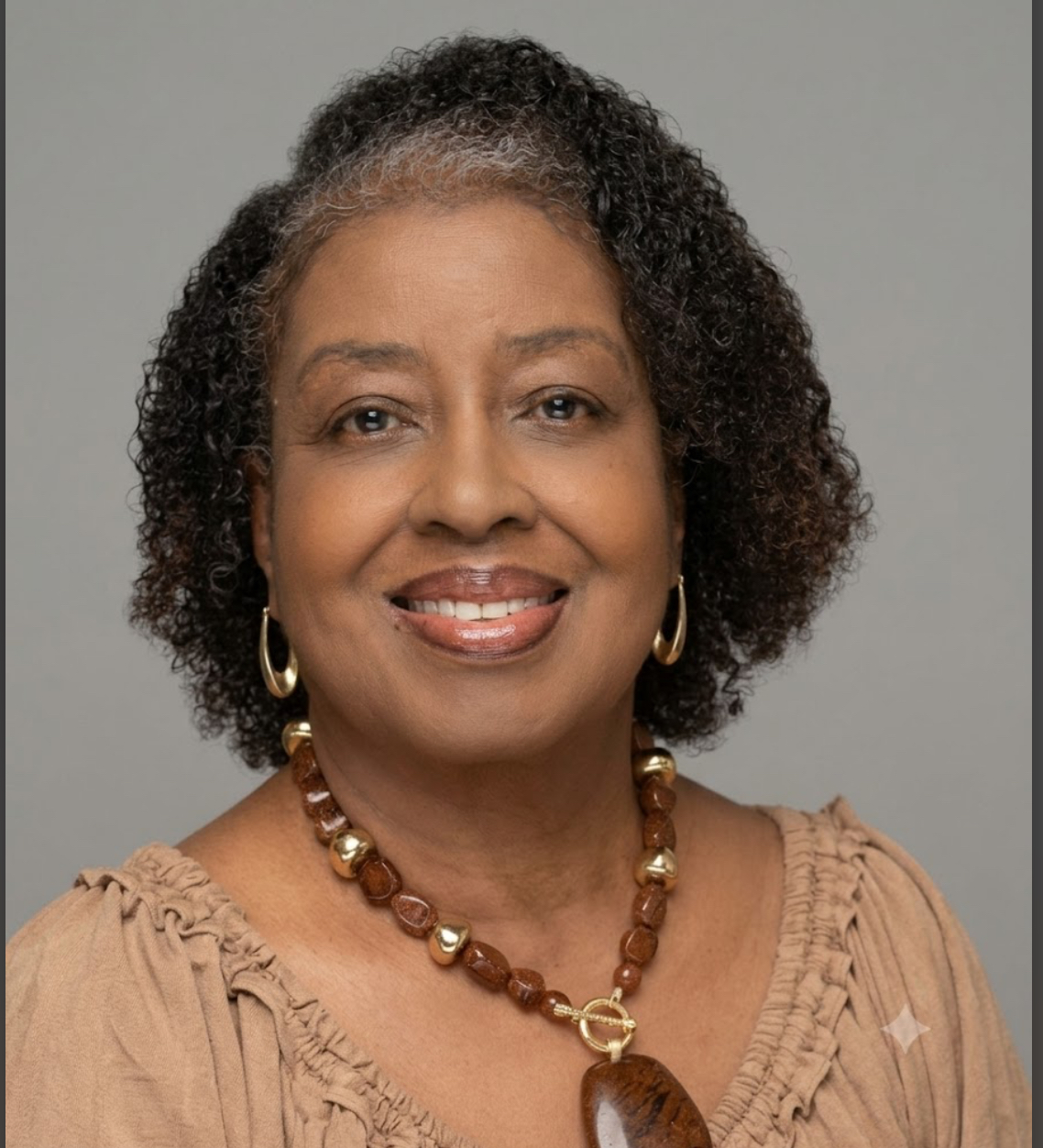
Genia Billingsley
Community Journalist | Storyteller | Community Engagement Practitioner
Genia Billingsley is a West Atlanta-based community journalist, storyteller, and community engagement practitioner whose work explores how place, power, policy, and history shape the daily realities of communities navigating environmental harm, development pressures, civic inequities, and neighborhood change.
A native Atlantan and founder of Westside Voices, Genia practices relationship-based journalism that treats residents not simply as sources, but as experts in their own communities. Her reporting and engagement work center lived experience and examine the often-invisible connections between infrastructure, government decisions, environmental risk, and everyday life.
Her work focuses on environmental justice, housing, civic engagement, flooding, food access, and community development, particularly in historically disinvested Atlanta neighborhoods. Her journalism has appeared in Canopy Atlanta, Atlanta Magazine, and Capital B Atlanta.
Genia believes storytelling is both a civic act and a form of stewardship. Through journalism, listening, and community engagement, she works to preserve neighborhood memory, strengthen the flow of information between residents and institutions, and challenge assumptions about who holds knowledge and whose stories shape public understanding. She holds a Master's degree in Leadership from Shorter University.
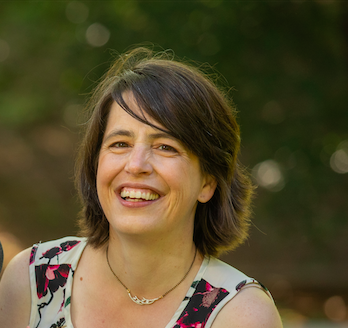
Mariann Martin
Writer | Editor | Community Strategist
Mariann is passionate about the role of storytelling, journalism, and civic engagement in creating more equitable, connected communities.
In her current project, Mariann is building a collaborative and community-centered civic hub. Many communities already have a rich ecosystem of organizations and community members working to inform their communities, often independently. Her goal is to help those groups share resources around their interests and objectives, so their efforts build on one another rather than duplicate.
This vision grows out of her role as co-founder of Canopy Atlanta, a community journalism nonprofit, where she has served in a range of roles, including leading the editorial team, heading up operations, and shaping the organization's approach to community engagement. Her career began as a reporter at Gannett and then the Chattanooga Times Free Press, covering criminal justice, government, politics, and healthcare. She has also worked as a project manager for the Ed Johnson Project, managing community engagement, operations, and fundraising.
Mariann has degrees from the University of Toronto and Union University. She enjoys hiking, gardening, and visiting coffee shops as she explores the Pacific Northwest with her husband and son.